How to Choose the Right Flap Disc for Stainless Steel Polishing
2026
Stainless steel polishing remains one of the most common yet tricky processes for metal fabrication workshops worldwide.
The wrong flap disc easily causes surface scratches, burnt workpieces, short service life and soaring production costs.
This guide breaks down how to match flap discs to different stainless steel working scenarios.
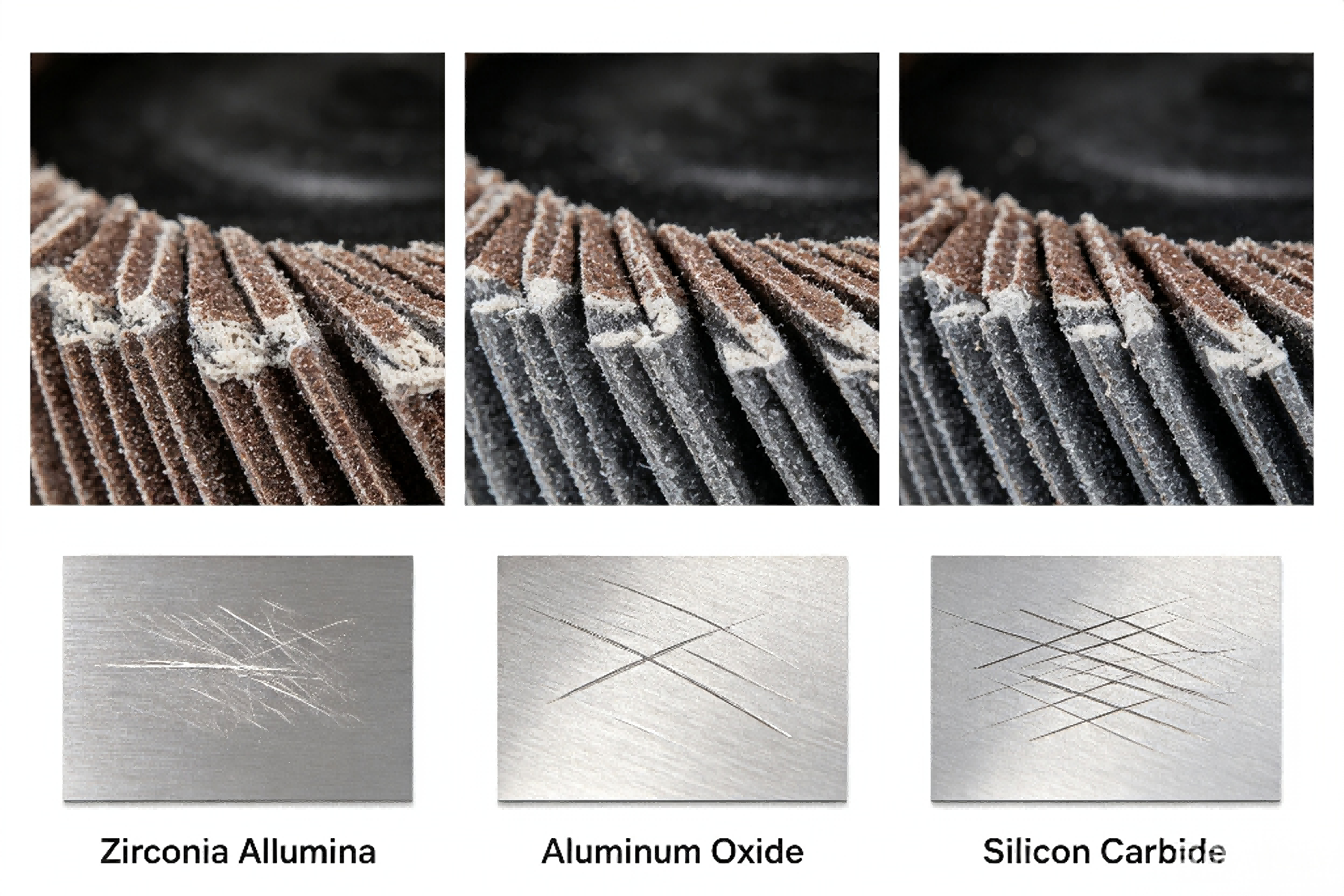
First, distinguish abrasive materials: zirconia alumina flap discs are the top pick for heavy stock removal on 201, 304 and 316 stainless steel.
With strong self-sharpening performance, they cut fast without frequent disc replacement. Aluminum oxide flap discs suit light finishing, while
silicon carbide flap discs work well for thin stainless sheets.
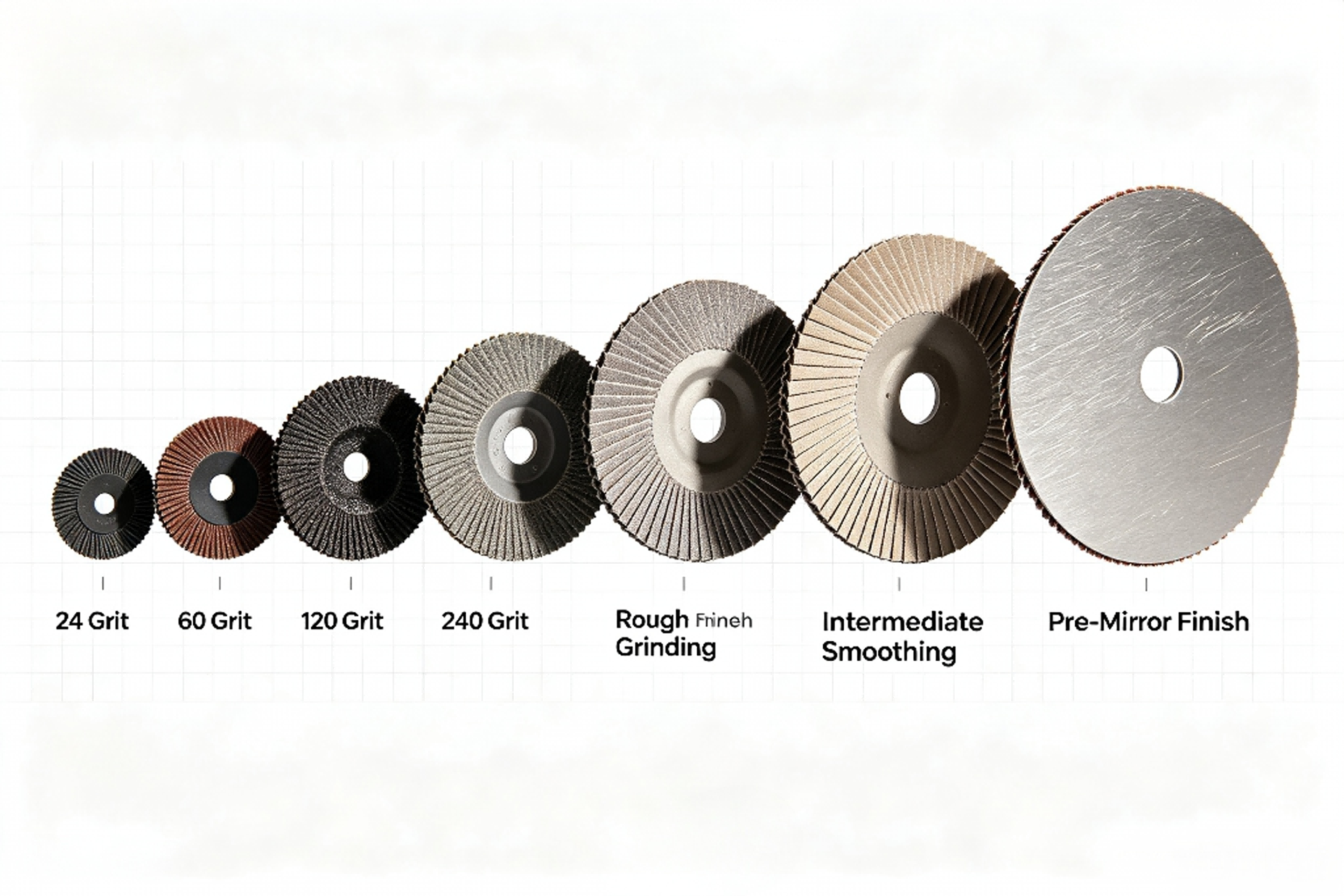
Grit size selection follows a clear gradient: 24–60 grit for rough deburring and weld seam grinding; 80–120 grit for intermediate smoothing;
180–400 grit for pre-mirror polishing before buffing wax. Many factories make the mistake of jumping to fine grit directly, leading to deep
hard-to-remove scratches.
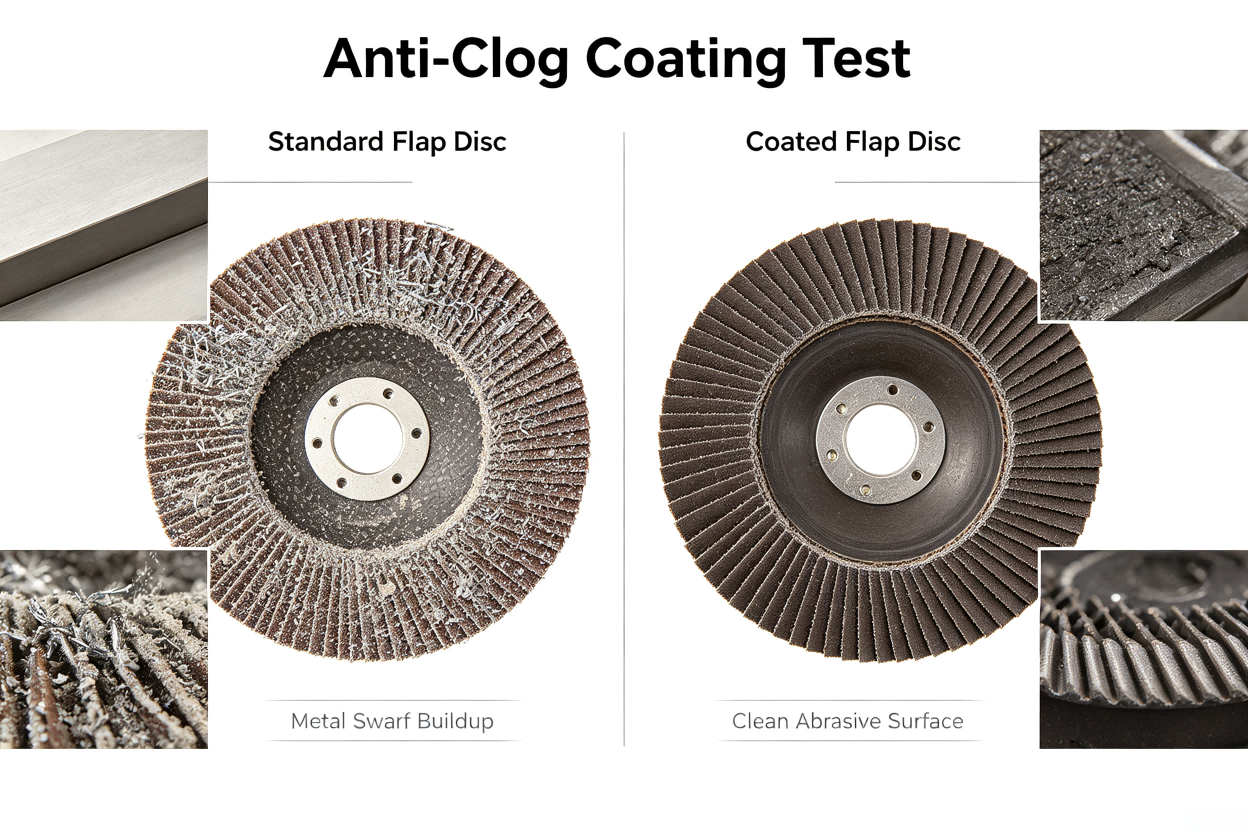
Our anti-clog coated zirconia flap disc solves a universal pain point: stainless steel debris sticks tightly to ordinary abrasives, slowing down
grinding efficiency by over 35%. The special coating repels metal swarf, extending service life by 40% in continuous 8-hour polishing shifts.
For workshop cost control tips: avoid over-pressure during grinding, which accelerates disc wear and workpiece burning. Match the flap disc diameter
to your angle grinder power—100mm discs fit small portable grinders, while 125/180mm models are for mass production assembly lines.
If you struggle with inconsistent stainless steel surface finish or high monthly abrasive expenditure, contact our technical team for free sample testing
and customized polishing process solutions.
